

In large-scale greenhouse hydroponic factories, the selection of core planting systems directly determines production capacity, costs, and product quality. NFT (Nutrient Film Technique), Aeroponics, and DFT (Deep Flow Technique) are the three most widely used systems today, each with specific applicable scenarios and technical advantages. From a practical perspective, this article comprehensively compares the core differences between the three to assist growers and investors in making accurate decisions.
I. Core Structure and Working Principles of the Systems
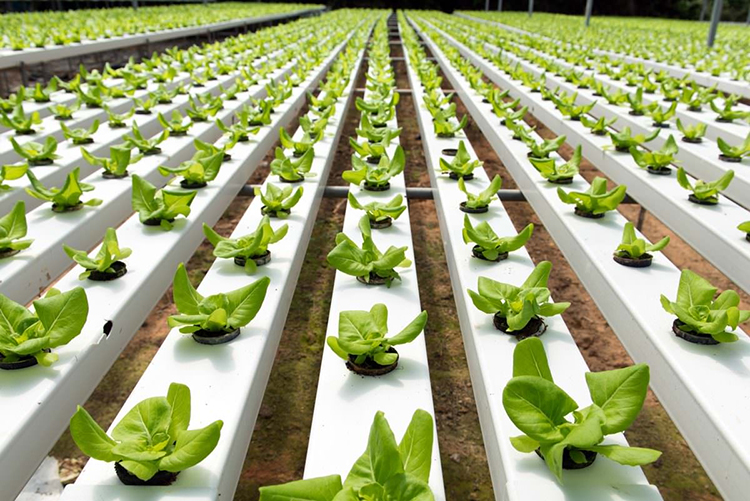
NFT System: Adopts inclined lightweight planting troughs. Nutrient solution flows continuously along the bottom of the root zone in a thin film (0.5-1cm), moistening only the lower part of the root system to ensure sufficient oxygen contact. The system consists of planting troughs, liquid supply pumps, return pipes, and nutrient solution tanks, featuring a minimalist structure and flexible installation.
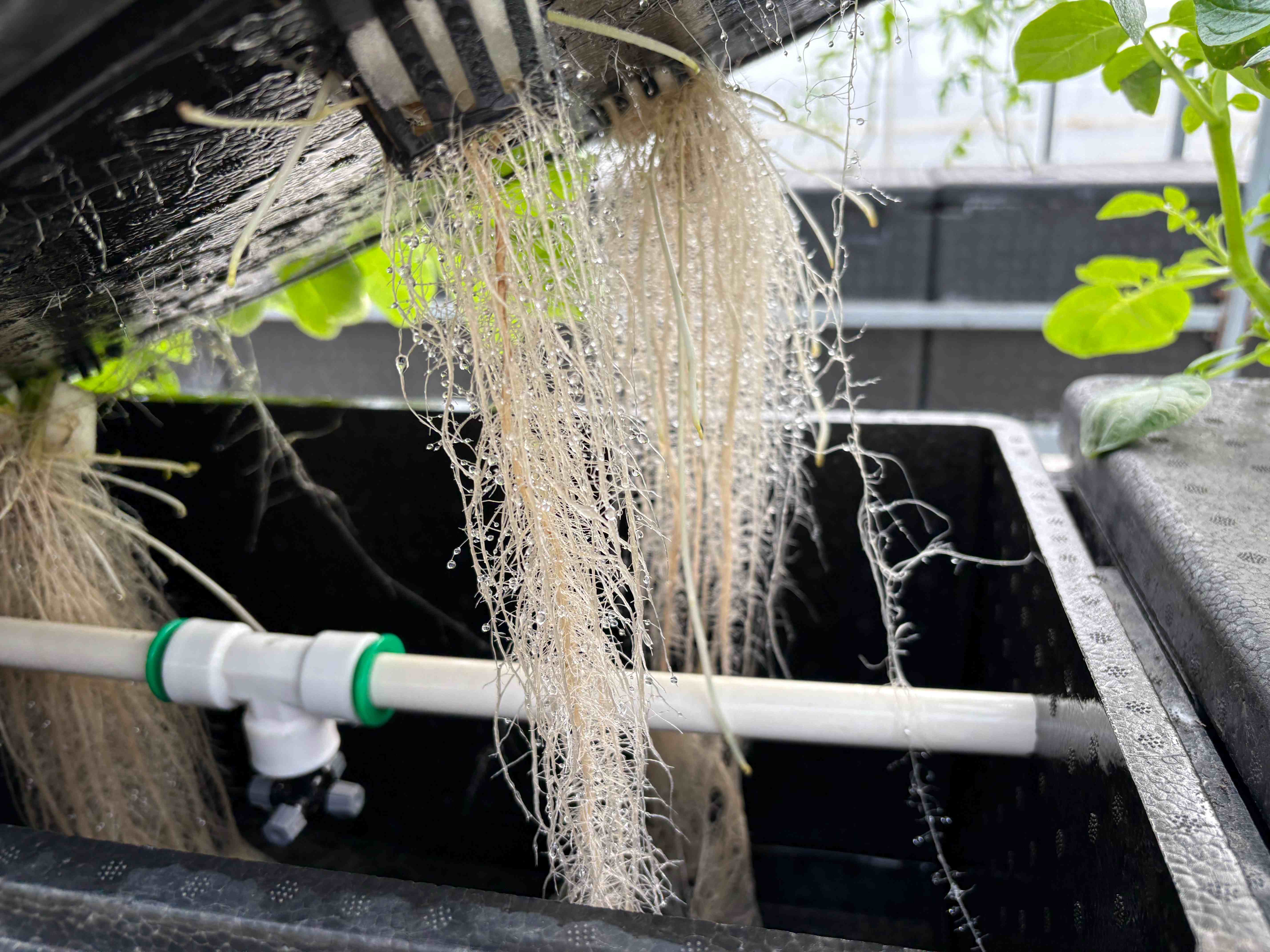
Aeroponic System: Converts nutrient solution into micron-sized droplets through high-pressure atomizers, which are uniformly sprayed onto the surface of suspended root systems. Roots are fully exposed to air and absorb water and nutrients solely through the droplets. Core components include atomizing nozzles, high-pressure pumps, closed planting boxes, and environmental sensors.
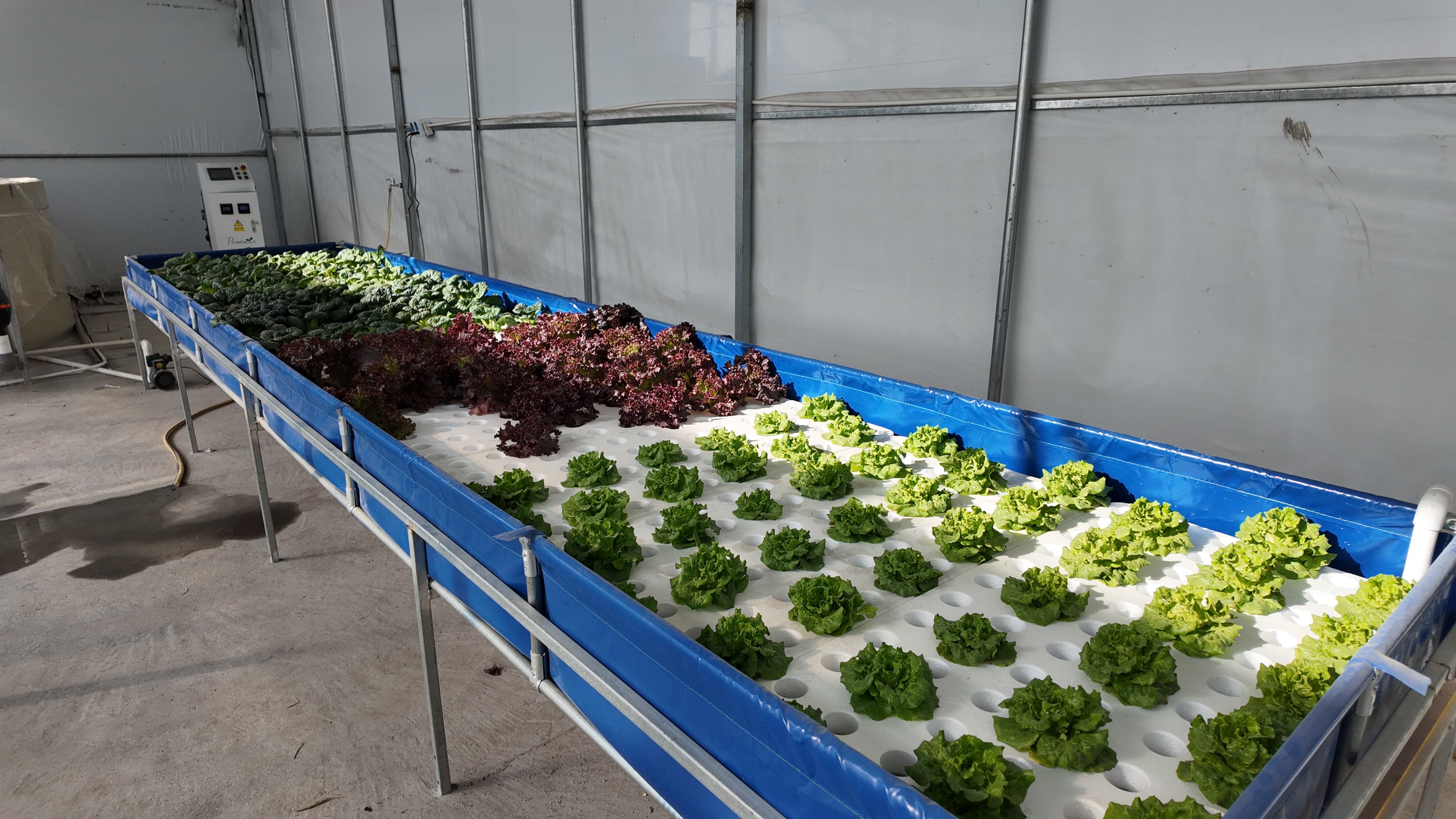
DFT System: Maintains 5-10cm deep nutrient solution in the planting troughs. Roots are partially submerged in the solution and partially exposed to the moisture layer above the liquid surface. The system is equipped with aeration devices that increase dissolved oxygen in the nutrient solution through air bubbles, preventing root rot due to oxygen deficiency.
II. Comparison of Key Performance Indicators