

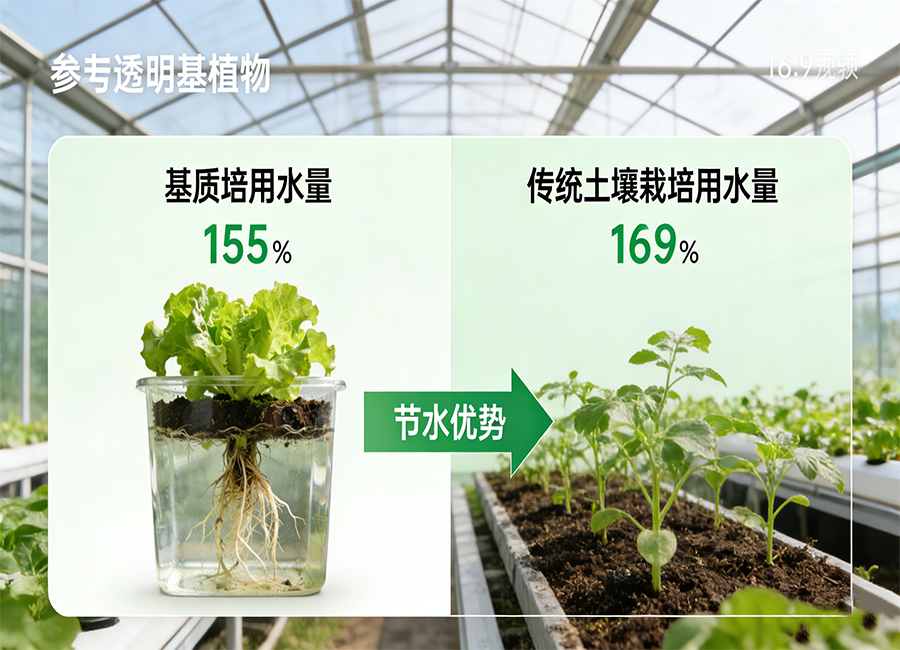
It combines quality improvement and production increase with environmental protection, highlighting high efficiency and value. It avoids continuous cropping obstacles, soil-borne diseases and heavy metal pollution from the root, reduces the use of pesticides and ensures crop safety. The substrate stabilizes the root system to prevent lodging, enhances the efficiency of nutrient absorption, shortens the crop growth cycle by 10% to 20%, and increases the yield by 20% to 30%. Moreover, water and fertilizer management is simple, the initial investment is lower than that of hydroponics, and the substrate can be reused after disinfection, taking into account both cost and environmental protection.
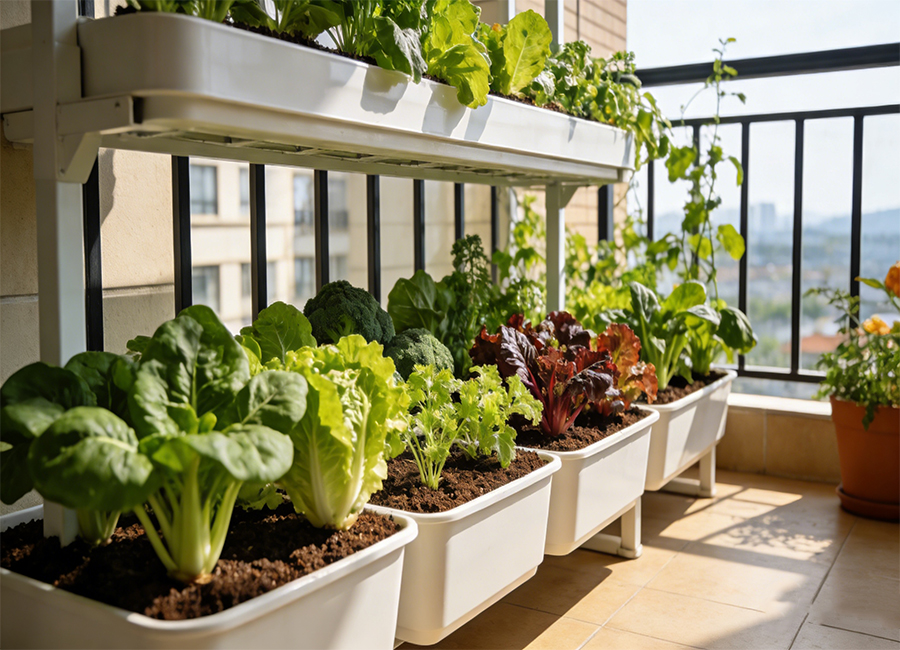
With a low operation threshold and strong stability, it has become a beginner-friendly technology. Compared with hydroponics which have strict requirements for nutrient solutions and dissolved oxygen levels, substrate culture has a higher tolerance for errors. The substrate can buffer deviations in water and fertilizer management and reduce the cost of trial and error. Nowadays, it is widely used in the cultivation of flowers, green leafy vegetables and fruits and vegetables, which not only increases the benefits for producers but also provides convenient solutions for home enthusiasts, facilitating the green and efficient transformation of agriculture.
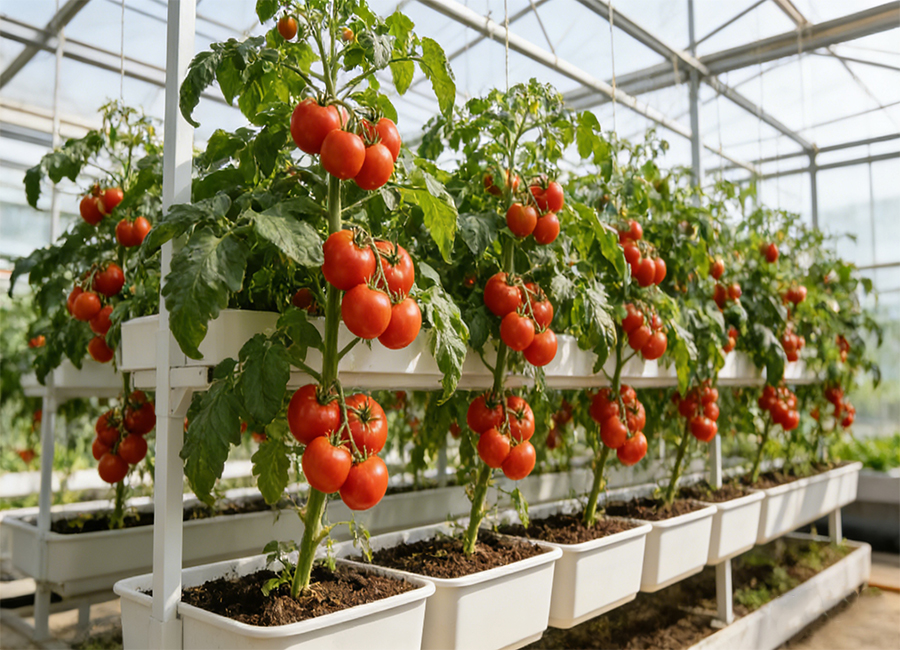
Nowadays, substrate culture has been widely applied in fields such as flower cultivation, mass production of green leafy vegetables, and facility cultivation of fruits and vegetables. It not only enhances the planting efficiency and economic benefits for large-scale producers but also provides convenient and clean planting solutions for home gardening enthusiasts, comprehensively promoting the steady transformation of agriculture towards a green, efficient and sustainable direction.